

Overview
Improving patient outcomes and strengthening health systems by equipping family caregivers with the skills they need to care for their loved ones
Noora Health
35m
Patients and caregivers reached
25.5k
Public health staff trained to deliver caregiver education
71%
Fewer surgical complications, 16% fewer newborn complications, and an 18% drop in neonatal mortality


The problem
Health systems across South Asia are chronically under-resourced and overstretched, leaving little time for patient care beyond the most urgent needs. In India, public doctors spend an average of just 2.5 minutes with each patient; in Bangladesh, it drops to under a minute. Families often leave health facilities with prescriptions in hand, but without the essential knowledge needed to support recovery.
With little guidance on warning signs, infection prevention, or follow-up care, caregivers are left to shoulder responsibility alone, often feeling helpless and unprepared. The consequences can be devastating. In India, 37% of patients who undergo surgery end up back in the hospital, while across South Asia, nearly 1.3 million children under five die each year—most from conditions that could be avoided with basic, known health practices. Yet family knowledge, which the World Health Organization identifies as one of the most effective life-saving interventions, remains almost entirely untapped.
The solution
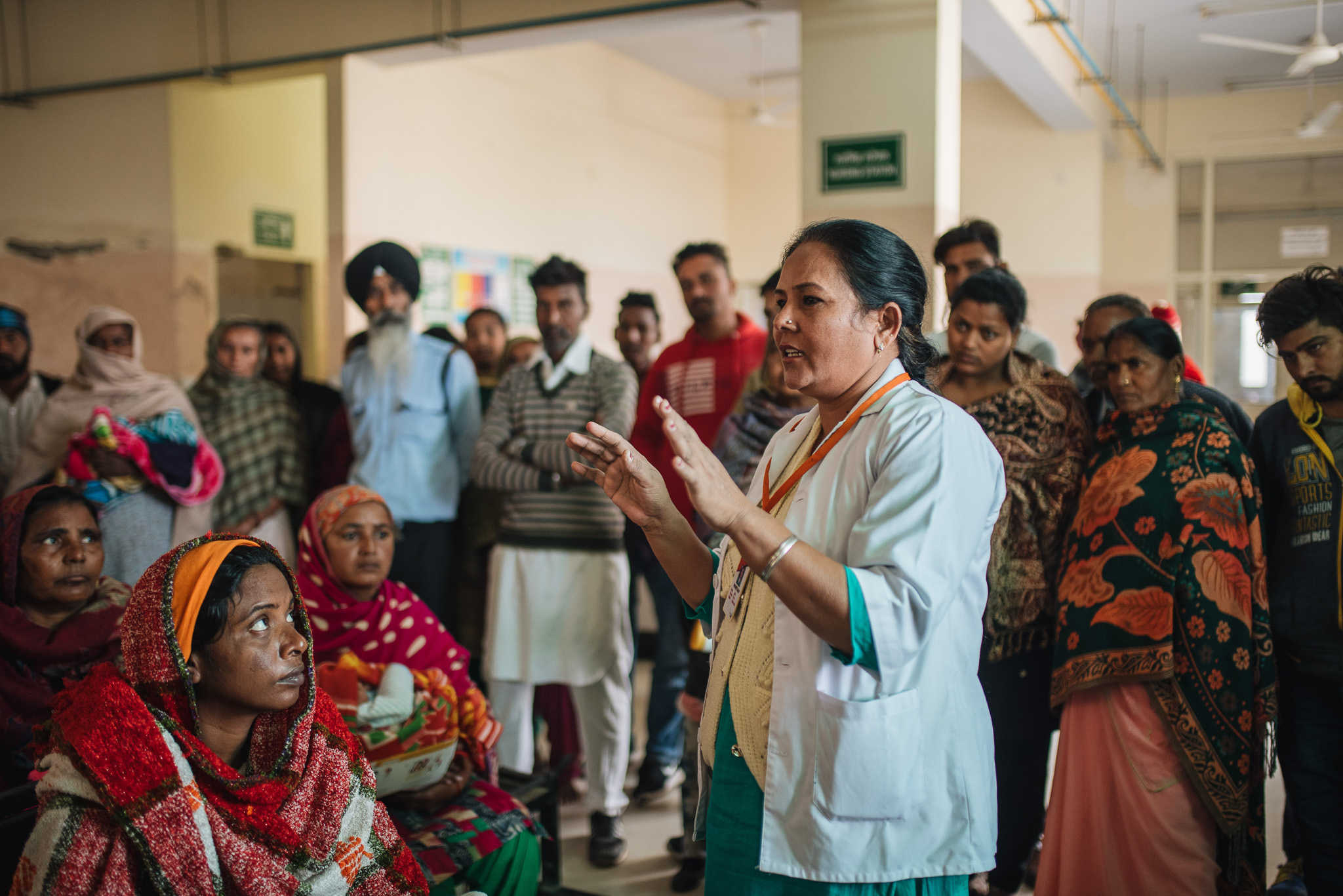
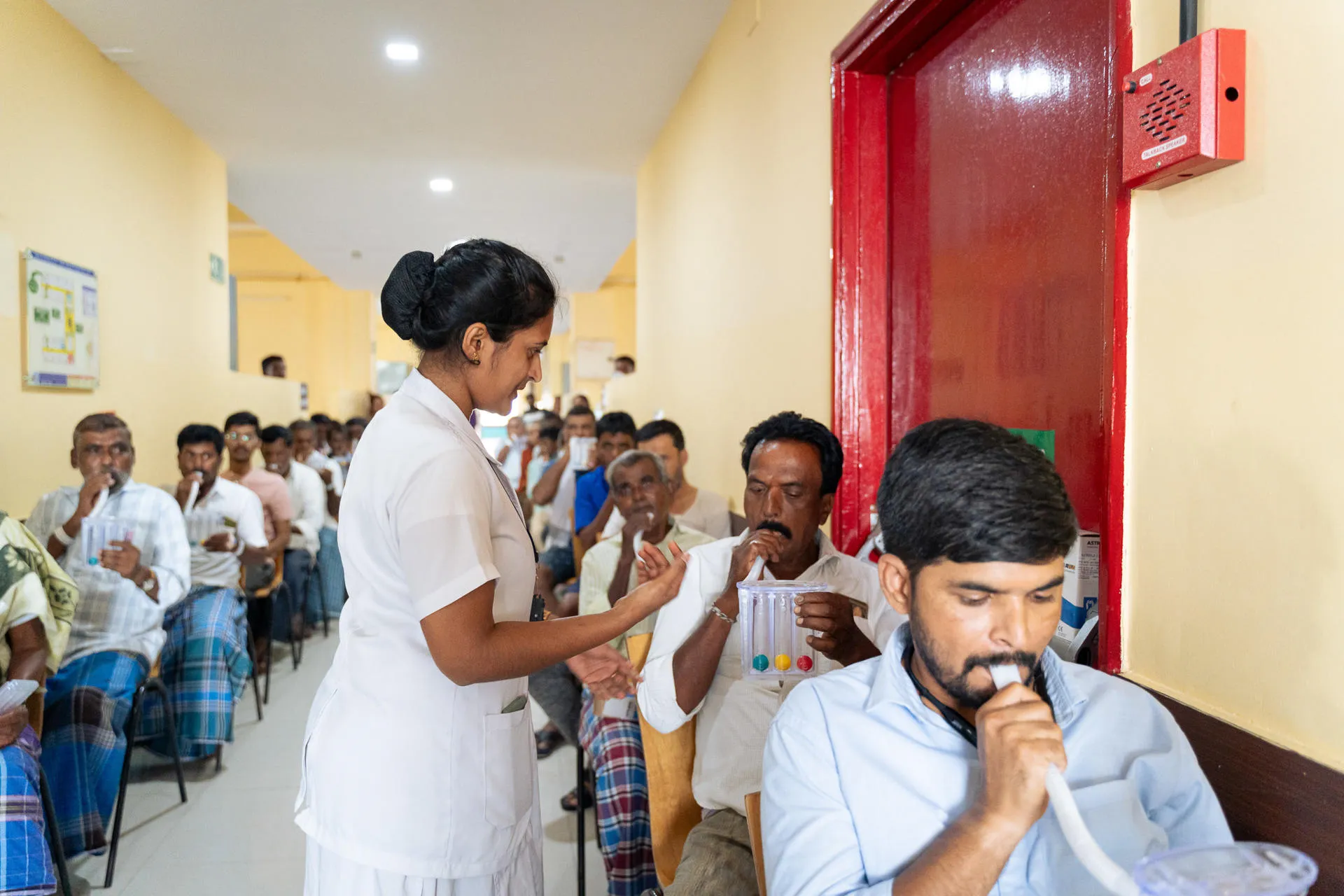
Noora Health’s Care Companion Program equips nurses and community health workers to train caregivers during and after hospital stays. Delivered through a train-the-trainer model and WhatsApp-based follow-up service in multiple languages, the programme covers maternal and newborn care, non-communicable and infectious diseases, and general medical and surgical care. Crucially, it is embedded directly within public health systems through government partnerships.
The insight
By building caregiver education into the fabric of healthcare systems, Noora Health has shown that small shifts in knowledge can save lives at scale. Now shifting toward deeper government ownership, it aims to reach 70 million caregivers by the end of 2027 — while building digital tools strengthened with AI, and global research and advocacy to make caregiver education a new standard of care.