

Overview
Humanitarian action and community development through open mapping
Highlights
951m
Data collected for areas home to 951 million people across 64 countries
393
Partner organisations trained and/or supported
700k
Contributors engaged through open-source mapping tools


The problem
Many vulnerable areas around the world remain unmapped. Without reliable geospatial data, governments and humanitarian organisations struggle to plan disaster response, deliver healthcare, or provide basic services. In India, for example, vaccination campaigns can miss entire settlements; in cyclone-prone regions, planners lack the data to build resilient infrastructure. While the global geospatial market is growing rapidly, few solutions are affordable, open, and community-driven. This leaves billions of people effectively invisible to the systems meant to protect and support them.
The solution
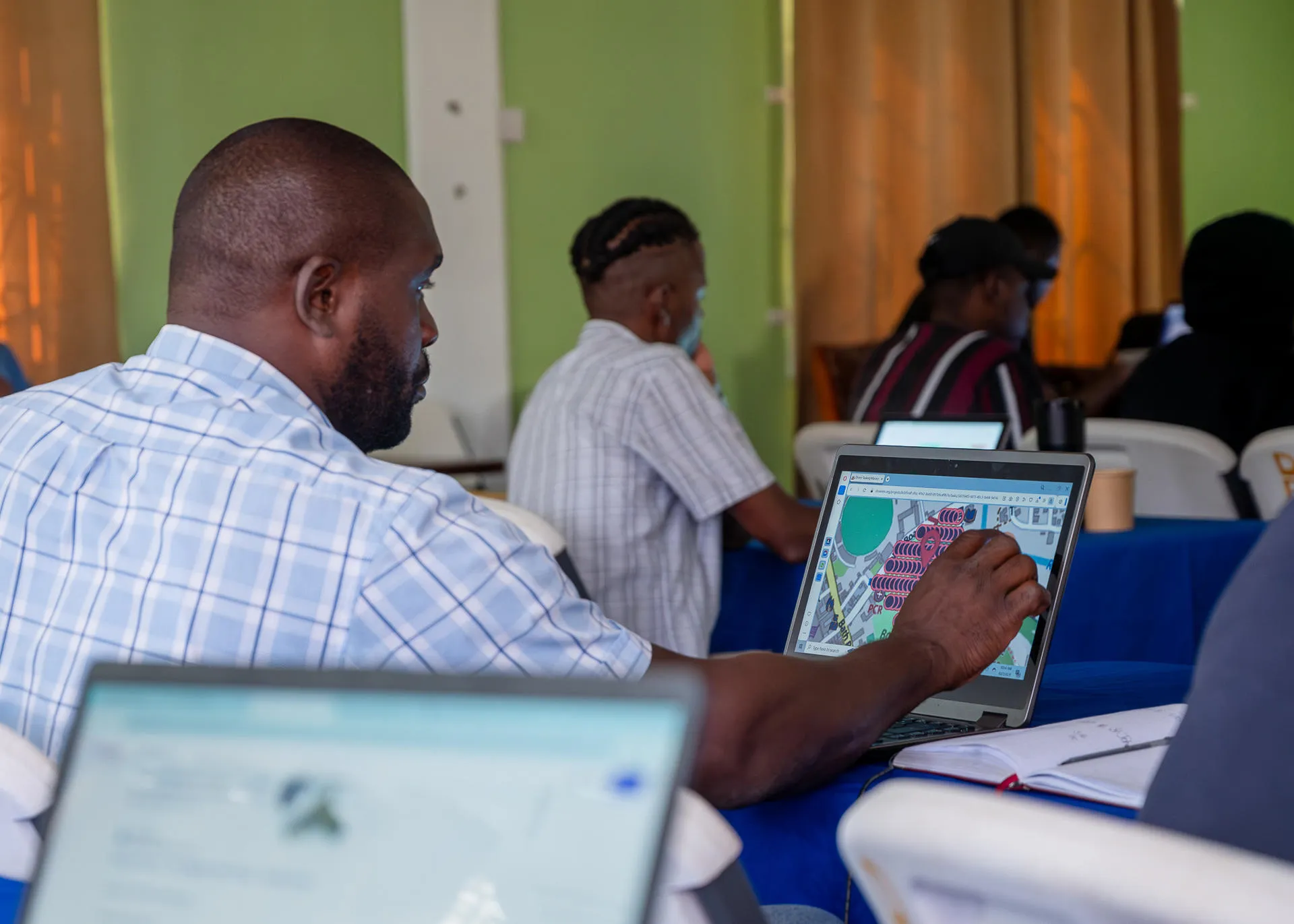
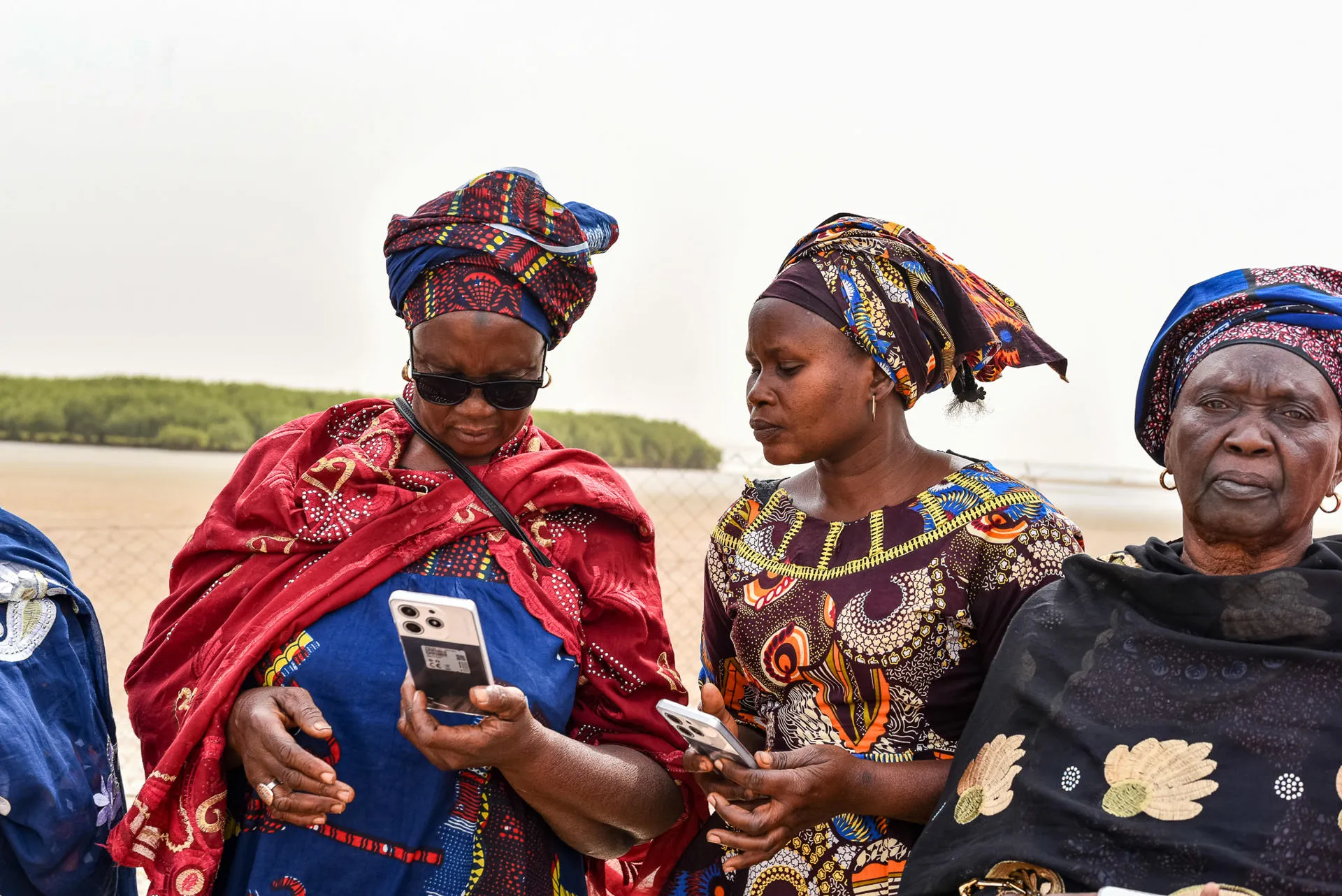
HOT equips local organisations and communities with open-source tools to collect and use geospatial data. Its technology spans the entire mapping process—from AI-assisted identification of buildings to mobile data collection and drone imagery. HOT builds capacity by training grassroots partners, financing local mapping projects, and ensuring communities can continue generating data independently.
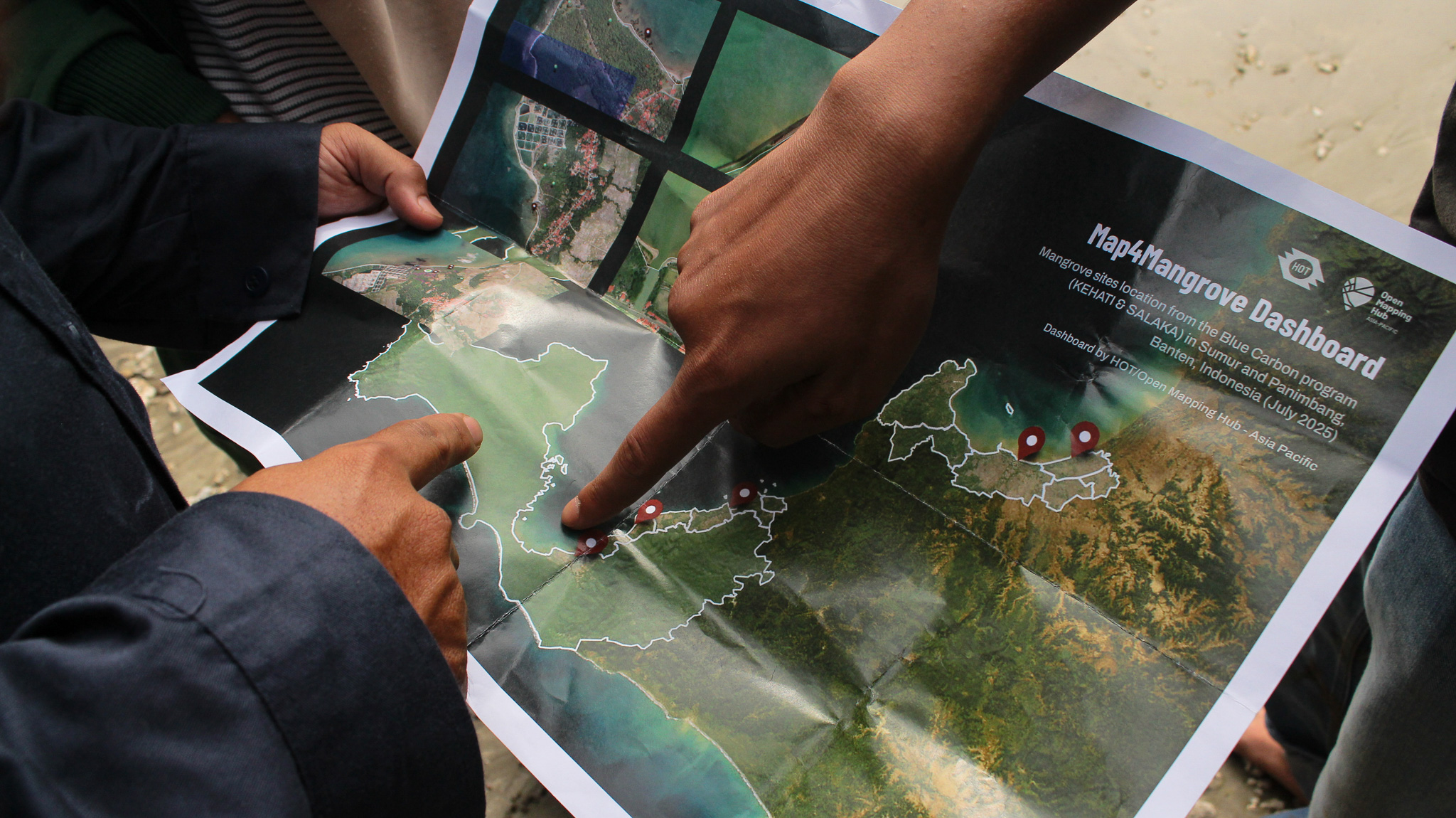
Around a quarter of HOT’s work responds to disasters, rapidly updating maps to guide aid delivery. Half originates from partnerships with governments, NGOs, and local stakeholders identifying data gaps for planning and service delivery. Increasingly, HOT is focusing on urban climate mitigation and adaptation—collecting data on mangroves, flood zones, or water/sanitation facilities to inform climate resilience measures.
The insight
Since its origins in the aftermath of the 2010 Haiti earthquake, HOT has grown into one of the world’s largest open mapping movements, covering areas home to nearly one billion people. Its unique strength lies in combining cutting-edge tools with deep community networks, enabling both rapid response and long-term local capacity.
HOT is pivoting from basic mapping toward higher-value services that address the climate crisis, aiming to secure more sustainable fee-for-service models with governments, development banks, and NGOs. With its global partner network, HOT can deliver high-quality, context-specific data at a fraction of the cost of commercial providers.