

Overview
Embedding community mental health care into Zimbabwe’s public health system
Highlights
1m
Clients supported across all 10 provinces of Zimbabwe
2.5k
Community and village health workers trained to provide mental health support


The problem
Zimbabwe faces a severe shortage of mental health services, with very few psychiatrists and specialist services concentrated in urban areas. Many people experiencing common mental health challenges such as depression, anxiety or stress-related distress are unable to access support, particularly in rural communities. Stigma, cost and limited public-sector capacity further reduce the likelihood that people will receive timely care.
The solution
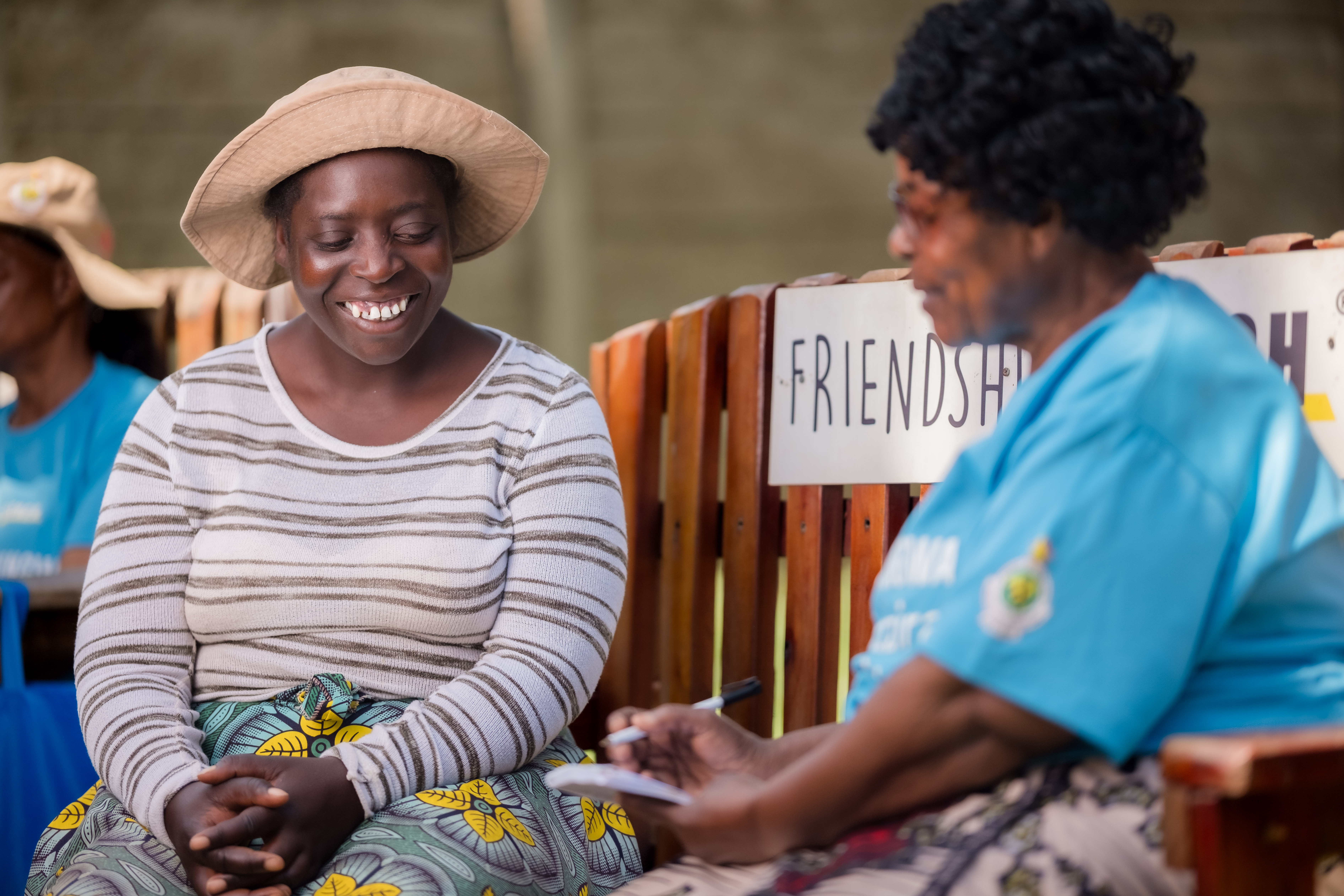
Friendship Bench trains community health workers, often trusted older women known as “grandmothers”, to deliver evidence-backed talking therapy in communities and primary health clinics. The model uses structured problem-solving conversations to help people identify, prioritise and address sources of distress, with referral pathways for more severe cases. It also supports peer groups and trains organisations in other countries that want to adapt the approach.
The insight
Friendship Bench is a powerful example of government adoption in practice. Having proven that community health workers can deliver effective mental health support at scale, it is now transitioning from direct implementation to a technical partner role, with the Ministry of Health taking ownership of delivery. This shift offers valuable learning on how community-based mental health models can become part of public systems.