

Overview
Embedding essential micronutrients into India’s wheat flour supply chain
Highlights
20m
People reached through fortified wheat flour
250
Mills supported across 16 states
30%
Fortified flour shown to reduce the risk of anaemia by around 30%


The problem
Iron-deficiency anaemia remains a major public health challenge in India, especially among women and children. It contributes to maternal health risks, impaired child development, lower productivity and long-term economic costs. While supplementation and diet diversification can help, both require sustained behaviour change, access and delivery systems. A more upstream approach is needed to make better nutrition available through foods people already consume every day.
The solution
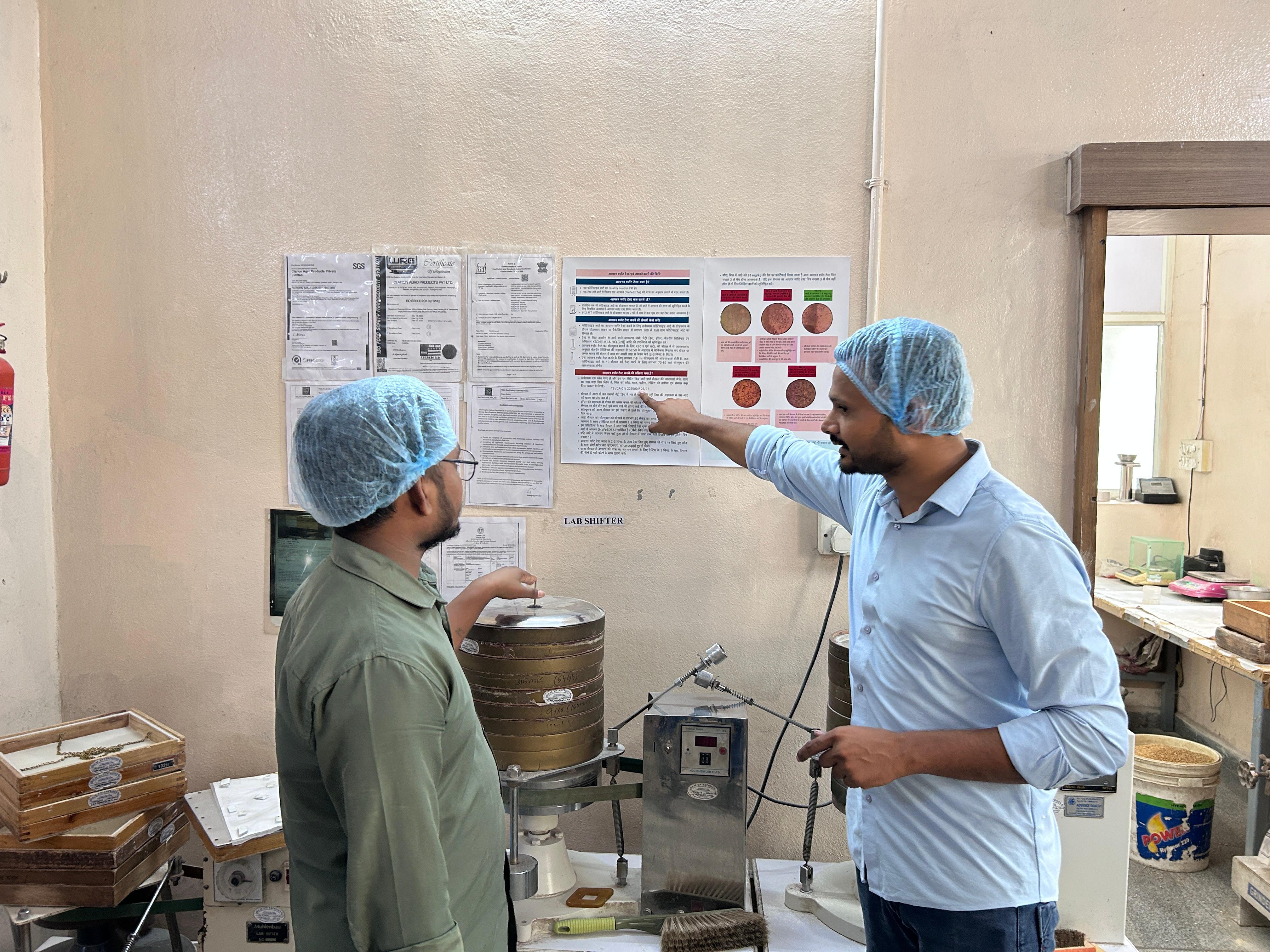
Fortify Health partners directly with wheat flour millers to add iron, folic acid and vitamin B12 into flour at the point of production. It provides equipment, micronutrient premix, training, quality assurance and technical support, enabling millers to incorporate fortification into their routine operations and distribution channels. It also works with governments, NGOs and institutional feeding programmes to expand access to fortified flour for low- and middle-income households.
The insight
Fortify Health shows how impact can scale by changing a supply chain rather than asking individual consumers to change behaviour. By embedding fortification at mill level, the organisation is helping make nutritious flour the default. Its next stage is about strengthening the evidence, partnerships and policy pathways that could support wider adoption of wheat flour fortification across India.