

Overview
Delivering voice-based maternal and child health support through India’s public health system
Highlights
81m
Women and children impacted since 2008
580k
Health workers trained across 28 states and union territories in India
25m
Women and family members reached in FY2025/26


The problem
India has made significant progress on maternal and child health, yet many women, newborns and young children still face preventable risks because timely health information, high-risk pregnancy support and frontline worker training do not consistently reach the households and communities that need them most. These gaps are especially acute for low-income, migrant, rural and otherwise marginalised families, where limited access to preventive care and delayed care-seeking can contribute to poor maternal, neonatal and child health outcomes.
The solution
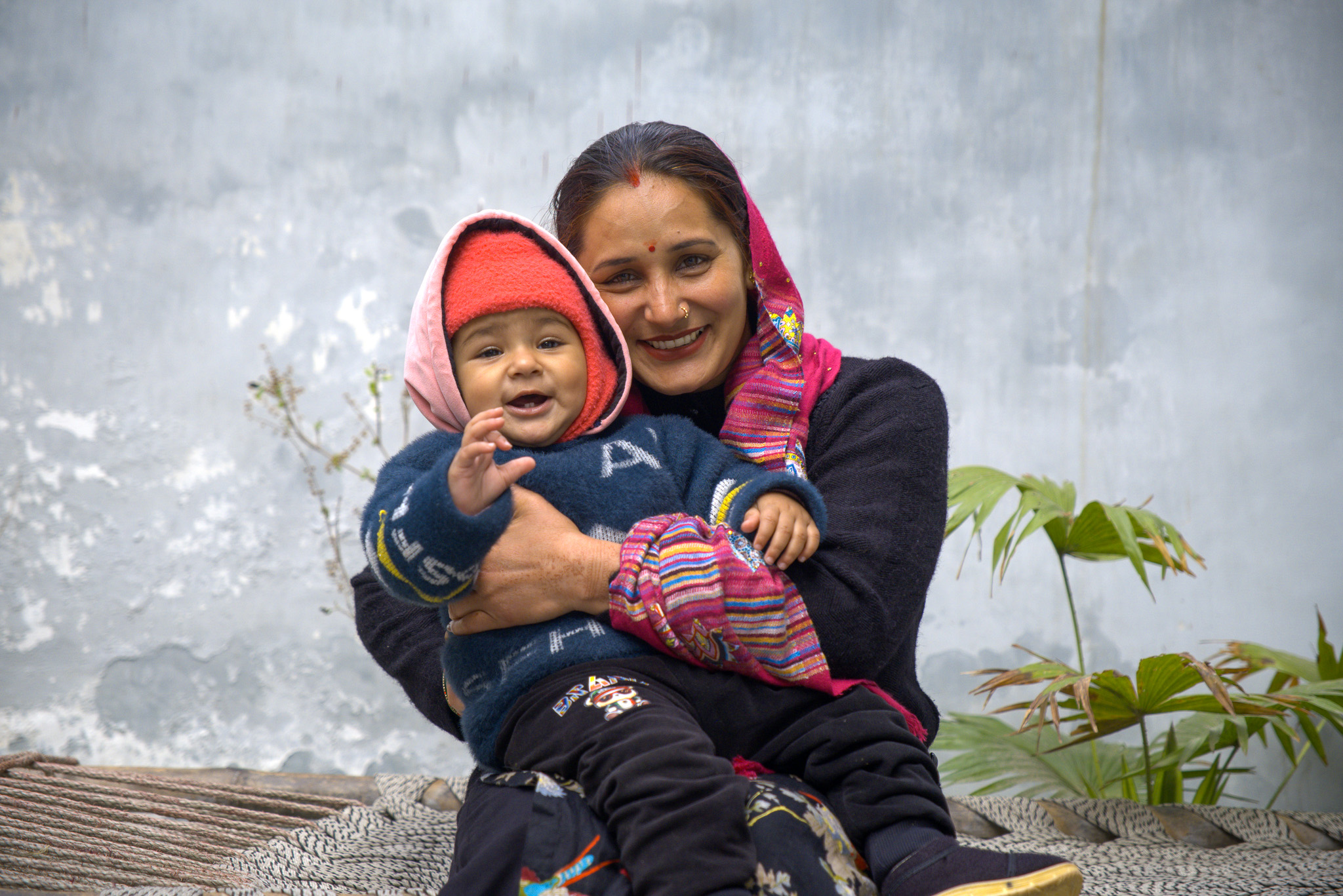
ARMMAN uses mobile technology to deliver free, voice-based health information to pregnant women, mothers and caregivers, alongside digital training for frontline health workers. Its flagship programmes, including Kilkari and Mobile Academy, are embedded in India’s public health system and use government databases, local languages and simple mobile channels to reach families and health workers at scale. Alongside these national programmes, ARMMAN runs more targeted, higher-touch interventions for high-risk pregnancies, malnutrition and underserved communities.
The insight
ARMMAN shows how relatively simple technology can become powerful public health infrastructure when it is designed around the realities of users and embedded in government systems. Its next stage is about strengthening the links between evidence, technology, policy engagement and programme learning so that its work can move beyond large-scale delivery to deeper system influence in maternal and child health.